Impact & Programs

Real impact. Growing reach.

From a documentary that shifted how communities understand dyslexia, to a growing national network of parent advocates.

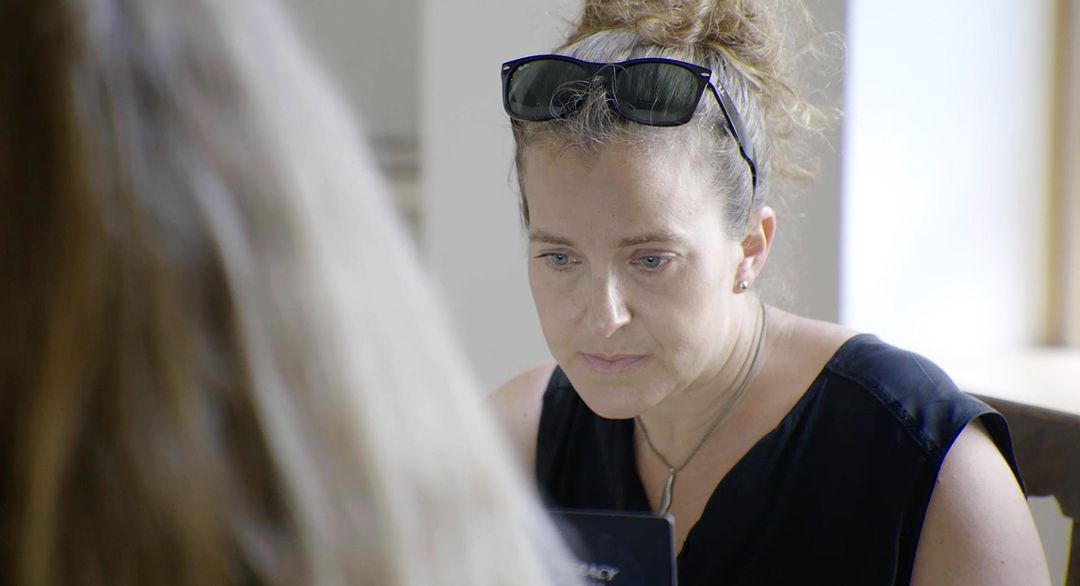
A packed theatrical screening of Left Behind
34%before watching Left Behind
74%after watching Left Behind
+40pts
15,000+ Families reached through Left Behind screenings and events
74% Of viewers understand how race and class affect dyslexia access after watching, up from 34%
50 States, our goal: every parent, everywhere, has access
1 in 5 Children have dyslexia. Most won’t get the right help in time.

Why this work exists

The information is out there. Getting to it is the problem.

1 in 5 children has dyslexia, and most will not get the right help in time. That is rarely because nobody knows what works. Structured literacy is proven, and the legal right to an evaluation already exists. Families lose years in the gap between what is available and what anyone tells them.

Most families are told to wait

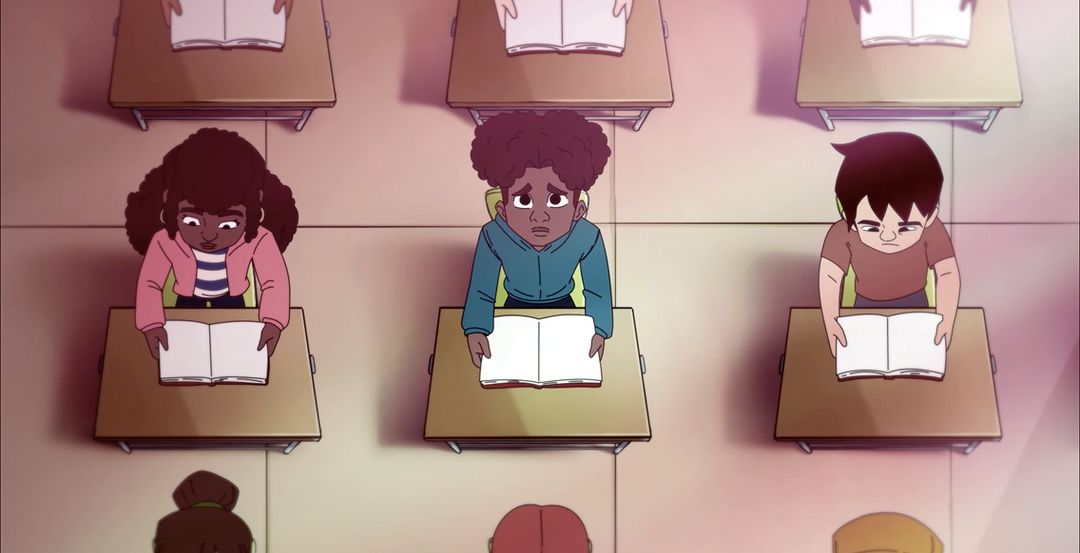
The single most common thing parents hear is that it is too early to worry, or that their child will catch up. Some are told dyslexia cannot even be identified until after fourth grade, which is not true. By the time a school agrees to act, a child has often spent years deciding they are the stupid one.
The help exists, but it is scattered

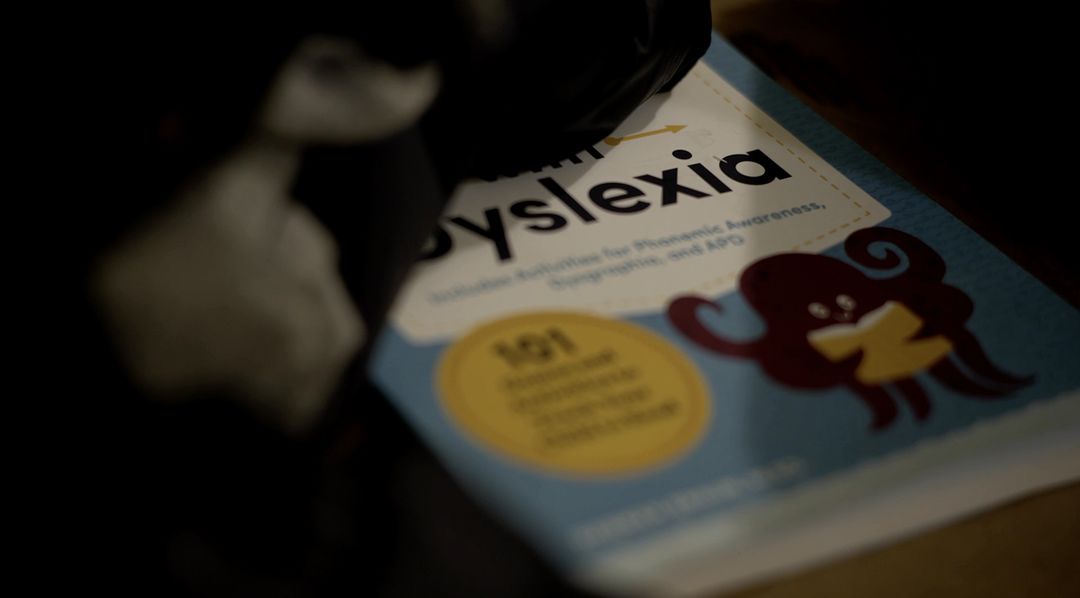
Rights under IDEA, structured literacy programs, evaluators, funding routes for a private assessment: all of it is real and most of it is already out there. It is spread across statutes, acronyms, and organizations that do not talk to each other, written for professionals rather than for a parent at a kitchen table.

Where you live decides what you get

A family near a major city with the money for a private evaluation gets one answer. A rural family on a district waiting list gets another. That gap is not about how much the parents care. It is about access, and access is a thing an organization can actually fix.

What we run

Four programs that work together.

One of them is live and free today, one is being built right now with the parents who will use it, one is deliberately not open yet, and one has been on the road since the film came out. We would rather tell you exactly which is which than describe all four as though they were equally far along.

First Steps

01 · Live · always free

First Steps

The clearest, most trusted information in one place, organized around where a parent actually is in the process rather than around how professionals categorize it.

A parent who suspects something at age four needs different information than a parent whose eleven-year-old has stopped trying. First Steps splits by both: the signs at your child's age band, how to open the conversation with the school, what to do when you are told to wait and see, the letter that starts the 60-day evaluation clock, and where to turn when the school is not enough. No sign-up, no paywall, no email required to read any of it.

Open First Steps →
National Resource Hub

02 · Building now

National Resource Hub

A 50-state database built by parents and informed by experts, with rural coverage designed in from the start rather than added later.

Directories already exist. The problem is that most are assembled from whatever was easiest to index, which is why a family two hours from the nearest city opens one and finds nothing usable. We are building the opposite: entries contributed by parents who actually used them, covering evaluators, tutors trained in structured literacy, advocates, and the free state-level help most families never hear about. This is the work most of your donation funds, and it is the reason we ask parents what helped them.

Help build the hub →
Local Chapters

03 · Future offering

Local Chapters

Parent-led local groups, planned for a later phase. We would provide the toolkit; local parents would provide the community.

The long-term goal is that no parent has to drive two hours to sit in a room with someone who understands. That work is not open yet, and we would rather say so plainly than collect sign-ups for something we are not running. For now, everything funnels into the national hub, which is what makes local groups possible later.

Join the national hub →
Screenings & Training

04 · Ongoing

Screenings & Training

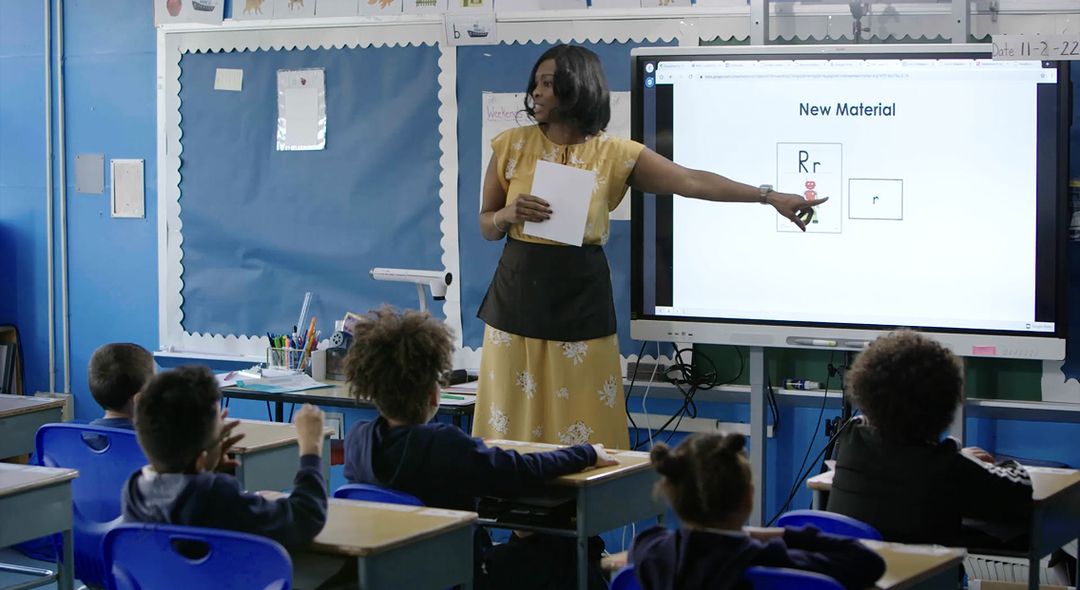
Left Behind continues to travel, and the screening kit turns a film night into something a community can act on.

The kit includes the film license and streaming link, a facilitation guide with discussion questions, a parent advocacy handout, a state-by-state IEP rights one-pager, and a QR code to our resources. Expert Q&A support is available for some events. The film has played eleven named theatrical venues, including a sold-out seven-day run at Quad Cinemas in New York, and has been featured at DOC NYC, the Woodstock Film Festival, SXSW EDU, and the Black Literacy Matters Conference.

Host a screening →

Help us reach the next family.